
Zukunftskolleg
Germany

This project examines whether Tanzania’s fee-free education reforms have reduced earnings inequality by expanding access to schooling and improving labour market outcomes. Since the early 2000s, Tanzania has implemented two major policies: the Fee-Free Primary Education Policy (2002) and the Fee-Free Secondary Education Policy (2016), which substantially increased enrolment, particularly among disadvantaged groups. Using nationally representative data from the Integrated Labour Force Surveys (2000/01–2024), the analysis will adopt a cohort-based quasi-experimental design to compare wage outcomes across birth cohorts with varying exposure to these reforms. A difference-in-differences framework will be employed to estimate the effects of expanded education access on educational attainment, wages, and the distribution of earnings. Inequality decomposition techniques will further be applied to assess the contribution of education to observed wage disparities. The project will also explore heterogeneity by gender, location, and employment sector. The findings are expected to provide new evidence on whether education expansion can promote more equitable labour market outcomes in low-income settings, offering important policy insights for Tanzania and other Sub-Saharan African countries seeking to align education reforms with inclusive growth.
equality; education; gender
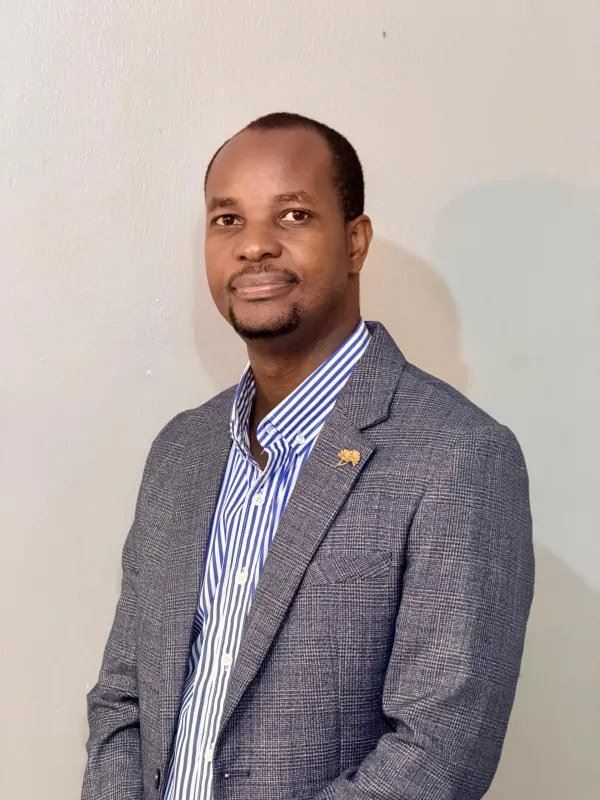
Samwel Lwiza is a Lecturer in the Department of Geography and Economics at the University of Dar es Salaam, Tanzania. He holds a Ph.D. in Economics from Chandigarh University, India, an M.A. in Economics, and a B.A. in Economics from the University of Dar es Salaam, Tanzania.
His research interests focus on labour markets, women's empowerment, energy, poverty, environment and natural resources. In recognition of his research contributions, he received the Gunner Köhlin Best Master’s Thesis Award (2014) from the Environment for Development (EfD), Gothenburg, Sweden, and the Best Literature Review Paper Award (2021) from the Indian Institute of Management, India.
He is currently a ZUKOnnect Fellow (2026/27) at the Zukunftskolleg, University of Konstanz, Germany. He is also a member of Environment for Development Tanzania (EfDT), the African Association of Environmental and Resource Economists (AFAERE) and the Sustainable Energy Transition Initiative (SETI).